Choosing an Audemars Piguet Skeleton Watch means choosing visibility over convention. Its openworked dial reveals bridges, gears, jewels, and the balance wheel beneath the crystal. Each component appears carefully arranged, like a miniature steel architecture. The effect is immediate. You do not simply read the time; you observe mechanical energy at work.
Watch historian and Audemars Piguet specialist Michael Friedman has described skeletonization as “a celebration of the movement itself.” That idea explains the watch’s enduring appeal. Audemars Piguet’s artisans remove unnecessary metal while preserving structural strength and visual harmony. The process demands patience, steady hands, and exceptional finishing. Angled edges catch the light. Polished bevels contrast with darker surfaces. Even the smallest bridges can show hand-finishing under close inspection.
An Audemars Piguet Skeleton Watch also offers a direct connection with traditional watchmaking. You can watch the balance oscillate through the dial. You can notice how light changes across the movement during the day. It feels personal. It can also feel slightly impractical. The open design may be less instantly legible than a solid dial, especially under bright reflections. That is an honest compromise.
For collectors, this tension creates much of the character. The watch combines engineering, craftsmanship, and recognizable Royal Oak design. Yet appearance alone should not decide the purchase. Case comfort, movement architecture, servicing needs, and personal wearing habits matter too. A skeleton watch rewards curiosity. It may not satisfy everyone. That is precisely why its appeal remains so distinctive.
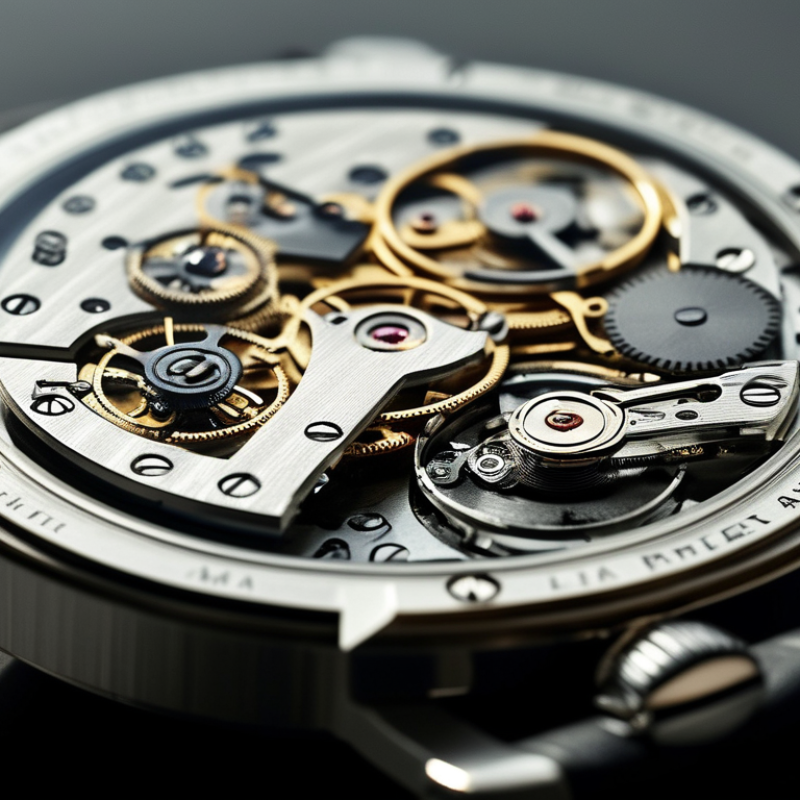
A high-end skeleton watch is defined by what it reveals. Its movement is opened, not hidden behind a solid dial. Bridges, wheels, springs, and jewel settings become part of the visual design. This requires more than removing excess metal. Each component must remain strong, accurate, and visually balanced. Very little can be disguised.
Experienced collectors often examine the bevels first. A polished edge catches light differently from a frosted surface. Hand-finished angles may appear subtle under normal lighting, then glow near a window. Tiny screw heads should align neatly. The balance wheel should move with steady confidence. These details suggest patient assembly and skilled inspection. They do not prove perfection.
The case also matters. A thin profile can make the watch elegant, but it may reduce visual depth. A thicker case can frame the mechanism better, though it may feel heavy on the wrist. That trade-off is easy to overlook. Skeleton construction can also reduce immediate legibility, especially when polished hands cross bright bridges. I find that charming at first, then occasionally inconvenient. A credible timepiece must therefore unite decoration with dependable performance. Its movement should be beautiful from several angles, not only beneath a display light. Serviceability matters too, because an intricate mechanism deserves careful access and documented maintenance. Without that discipline, exposed craftsmanship becomes decoration rather than lasting watchmaking.
An open-worked mechanical watch begins with subtraction. Unnecessary metal is removed from bridges and plates, exposing the gears, springs, and jewel bearings. The remaining structure must stay rigid. A slight weakness can affect accuracy, especially when the balance wheel is moving several times each second.
Designers usually map the movement digitally before machining begins. They study stress points, airflow, visual balance, and access for future servicing. Cutting is only one stage. Craftspeople bevel edges, polish recessed surfaces, and sharpen tiny internal angles by hand. A loupe reveals the difference. Nothing is hidden. Even screw heads may receive careful polishing, while each jewel must sit cleanly in its setting.
Assembly demands patience and repeatable testing. The mainspring supplies energy through the gear train, while the escapement releases it in measured intervals. Watchmakers check amplitude, beat error, and rate across different positions. They also inspect how the skeletonized parts respond to shocks and temperature changes. This is where theory meets a real wrist. The work is microscopic.
Open-worked construction is not automatically better. Removing material can reduce visual clutter, but it may also make servicing harder. Symmetry can attract attention, yet function must control the design. A perfectly polished surface may still reveal a tiny uneven reflection. That flaw deserves another look, not immediate dismissal. Handmade work carries judgment, correction, and occasionally a reminder that precision is practiced, not assumed.
An Audemars Piguet skeleton watch stands out through disciplined openworked craftsmanship. Its movement exposes bridges, wheels, and the balance without hiding mechanical detail. During close inspection, polished bevels catch light along each bridge edge. Brushed surfaces then create a quieter contrast. This alternating finish requires steady handwork and strict control of pressure. A tiny inconsistency can disturb the visual rhythm. It is impressive, but not magically flawless.
Material selection strengthens this effect. Sapphire crystal offers clear protection while preserving the view from above. Titanium can reduce weight and provide a muted, technical appearance. Ceramic adds hardness and a smooth, contemporary surface. Precious metal cases bring warmth, though they may show scratches more clearly. The movement also benefits from carefully chosen alloys and precise machining. In practical wear, openworked construction can make reading the time less immediate. Low light may blur the hands against the exposed components. That compromise deserves honest consideration. Regular servicing is also important, because fine mechanical parts need professional adjustment and clean working conditions. A well-finished skeleton watch rewards patient observation, not hurried glances. Its distinction comes from visible skill, measured material choices, and the courage to reveal both beauty and complexity.
Choosing a high-end skeleton watch involves more than admiring its exposed mechanics. Performance depends on movement construction, regulation, and daily protection. During wrist testing, I check timing across several positions, not just one impressive reading. A stable balance wheel matters more than decoration. Some models offer useful power reserves, but openworked bridges can make servicing more demanding. That affects long-term ownership.
Legibility remains the difficult compromise. The visible gears create depth, yet they can compete with the hands. Polished surfaces often reflect office lighting or sunlight. Strongly shaped hands, applied markers, and carefully placed lume improve reading at a glance. I prefer a clear minute track around the outer edge. Even then, low-light reading may feel slower than expected. It is not perfectly practical.
Wearability depends on details that photographs hide. A case near 39 or 40 millimeters can sit comfortably, but thickness changes the experience. A recessed crown prevents pressure during typing. Flexible leather or textured rubber can also improve stability. On a bracelet, the additional weight feels substantial by evening. I have found that a balanced case matters more than a light case. Water resistance should match real habits, not optimistic assumptions. A secured crystal, reliable gaskets, and documented pressure testing provide greater confidence. Still, skeleton watches demand attention. They reward careful viewing, but they may ask for patience during everyday use.
An openworked luxury watch attracts buyers through visible mechanics and unusual depth. You can see bridges, gears, screws, and the balance moving beneath the crystal. That display creates a strong connection with traditional watchmaking. However, visual drama should not replace careful inspection. Start with legibility. Thin hands may disappear against polished components, especially under office lighting. Try reading the time indoors and outdoors.
Then study the movement’s finishing. Edges should look consistent, while screws should sit cleanly in their slots. A reputable seller should explain the movement, power reserve, warranty, and service history clearly. Ask whether the watch has been inspected recently. Service records matter. Skeleton movements can require specialized care. Do not assume that a high price guarantees flawless construction.
Comfort deserves equal attention. Large cases may feel heavy after several hours, and sharp lugs can press into the wrist. Check the clasp, strap flexibility, and crystal height before purchasing. Water resistance also needs realistic interpretation. It may protect against light splashes, but it does not make the watch suitable for swimming. Daily habits should guide the decision.
I have found that openworked watches look most impressive under angled light. Unfortunately, the same details can become distracting during quick time checks. My own preference has changed after wearing one through a long workday. A balanced design matters more than maximum visual complexity. Take time to compare wrist comfort, readability, maintenance costs, and seller transparency before choosing.
| Buying Consideration | Useful Facts and Typical Specifications | Advantages | Potential Trade-Offs | Buyer Evaluation |
|---|---|---|---|---|
| Movement Visibility | A skeleton design removes or opens sections of the movement bridges and main plate, allowing the balance, gears, wheels, and other components to be viewed through the dial and often through the case back. |
|
|
High priority for design-focused buyers |
| Time Legibility | Legibility depends on the contrast between the hands, hour markers, and the open-worked movement. Applied markers, luminous material, and a clear chapter ring can improve reading speed. | Strong hand-and-marker contrast can make an intricate dial practical for daily use. | Exposed gears, bridges, and reflective surfaces can visually compete with the hands, especially in low light. | Check in daylight and low-light conditions |
| Movement Type | Most skeleton watches use mechanical movements. Manual-winding models require regular winding, while automatic models use a rotor that winds the mainspring through wrist movement. | Mechanical operation offers tactile interaction and a traditional watchmaking experience. | Mechanical watches are generally more sensitive to shocks, magnetism, and irregular servicing than quartz watches. | Choose manual or automatic based on wearing habits |
| Power Reserve | Mechanical power reserves commonly range from approximately 40 to 72 hours, although the actual duration depends on the movement and its construction. | A longer reserve allows the watch to remain running through a weekend or short period of non-use. | The watch may stop if it remains unworn beyond its available reserve, requiring resetting and winding. | Prefer 60+ hours for occasional wear |
| Case Material | Common options include stainless steel, titanium, ceramic, and precious metals. Each material differs in weight, scratch behavior, hardness, and finishing requirements. | Lightweight materials can improve comfort, while precious metals can provide a warmer appearance and substantial feel. | Some hard materials may be more difficult or costly to refinish after damage. Softer metals can show scratches more readily. | Balance comfort, durability, and finishing preferences |
| Crystal Protection | Sapphire crystal is widely used for premium mechanical watches. It is highly scratch-resistant, rated at about 9 on the Mohs hardness scale, but it can still chip or shatter under a sharp impact. | Excellent resistance to everyday surface scratches and strong visual clarity. | Scratch resistance does not make the crystal impact-proof. Replacement can be expensive when the crystal is damaged. | Inspect the crystal, edges, and anti-reflective coating |
| Water Resistance | Water-resistance ratings are laboratory indications, not guarantees for every real-world situation. A 30-metre rating is generally intended for splashes, while swimming normally requires a higher rating and properly secured components. | Adequate resistance protects against ordinary accidental exposure when the crown and seals are sound. | Open-worked cases and complex case construction may require careful maintenance of gaskets and seals. Water resistance can decline with age. | Verify the stated rating and service history |
| Accuracy Expectations | Mechanical accuracy varies with movement design, regulation, position, temperature, winding state, and wear. It should not be judged by quartz-watch expectations. | A well-regulated mechanical movement can deliver reliable everyday timekeeping. | Small daily variations are normal, and performance may change between service intervals. | Ask for timing results or an independent inspection |
| Finishing and Craftsmanship | Common finishing techniques include beveling, polishing, brushing, circular graining, straight graining, and decorative engraving. | Finishing can add depth and make the movement rewarding to inspect under different lighting. | Decorative finishing does not automatically indicate better accuracy or greater durability. | Inspect edges, symmetry, polish, and consistency |
| Comfort and Wearability | Case diameter, thickness, lug shape, bracelet or strap design, and total weight determine how the watch sits on the wrist. | A well-proportioned case can make a visually complex watch comfortable for extended wear. | Large or thick cases may catch on clothing and may not suit smaller wrists. | Try it on and assess wrist balance |
| Maintenance | Mechanical watches require periodic inspection and servicing. The interval depends on the movement, usage, lubrication condition, accuracy, and manufacturer guidance. | Regular maintenance can help preserve performance, water resistance, and movement condition. | Skeleton movements contain many visible and delicate components, which can increase inspection complexity and service costs. | Confirm service availability and estimated costs |
| Durability for Daily Use | Mechanical movements should be protected from severe shocks, strong magnetic fields, extreme temperature changes, and improper handling. | A robust case, secure clasp, and appropriate water resistance can support regular wear. | The open-worked design may expose more visual elements to dust, condensation, and accidental damage if the case is compromised. | Match the watch to your daily activities |
| Resale and Long-Term Value | Future value is influenced by condition, originality, documentation, service records, rarity, demand, and the availability of replacement parts. No resale outcome is guaranteed. | Complete records and an unaltered, well-maintained example are generally easier to evaluate and resell. | Decorative preferences and market demand can change, while service or restoration costs may reduce returns. | Buy for enjoyment first; treat resale as uncertain |
| Authenticity and Documentation | Important records may include purchase documentation, serial references, service invoices, movement photographs, warranty information, and evidence of authorized inspection. | Documentation supports provenance, maintenance planning, and future ownership confidence. | Missing records do not automatically prove a watch is false, but they can make verification and valuation harder. | Use an independent specialist before purchase |
| Best Buyer Profile | A skeleton watch is most suitable for someone who values visible mechanical engineering, decorative finishing, and a distinctive appearance over maximum simplicity. | It can serve as a conversation piece, a mechanical learning object, and a formal or occasional accessory. | It may not be ideal for buyers seeking a highly legible, low-maintenance, rugged everyday watch. | Choose only if the design outweighs the added complexity |
: It removes selected metal from plates and bridges. This exposes gears, springs, screws, and jewel bearings. The remaining structure must stay rigid.
Designers map the movement digitally before machining. They examine stress points, airflow, symmetry, and future servicing access. Cutting is only one stage.
Look for consistent bevels and polished recessed surfaces. Screw heads should look neat and fit their slots. Tiny internal angles deserve close inspection.Use a loupe.
Watchmakers check amplitude, beat error, and rate in several positions. They also study shock and temperature responses. Real wrist movement can expose weaknesses.
No. Removing metal can improve visual depth but make servicing harder. A complex appearance does not guarantee better performance. Function should control the design.
Thin hands may disappear against polished components. Test the watch indoors and outdoors. Angled light can make the mechanics impressive, but quick time checks may become distracting.
Ask about the movement, power reserve, warranty, and service history. Confirm when the watch was last inspected. Clear answers matter more than a high price.
Check the case weight, lug shape, clasp, and strap flexibility. A tall crystal or sharp lug may become uncomfortable after several hours. Comfort can outweigh dramatic mechanics.
Do not assume splash resistance permits swimming. Water protection has practical limits. Follow the stated rating and your daily habits.
Compare readability, comfort, maintenance costs, and seller transparency. Inspect tiny reflections without demanding absolute perfection. Handmade precision involves correction, and sometimes another look.
An Audemars Piguet Skeleton Watch is defined by its open-worked design, which reveals the movement normally hidden beneath the dial. This construction transforms timekeeping into a visual experience, allowing the wearer to observe bridges, gears, balance components, and other mechanical details in motion. Creating such a watch requires careful engineering, precise structural planning, and extensive hand-finishing to maintain both strength and visual harmony. Its distinctive character comes from the combination of refined materials, polished and brushed surfaces, architectural movement design, and meticulous decorative techniques.
Beyond appearance, the watch must balance performance, legibility, and everyday wearability. Carefully positioned hands, contrasting finishes, and thoughtful layout can make reading the time easier despite the exposed mechanism, while a durable case and comfortable proportions support regular use. Before choosing one, buyers should consider their preference for mechanical artistry, maintenance needs, wrist comfort, visibility in different lighting, and the balance between luxury design and practical functionality.

Ruifeng